Pages

Showing posts with label National Climatic Data Center. Show all posts

saturday afternoon delight: weeding!

Wow, it’s been close to three months that I’ve neglected this blog. And, truth to tell, my vegetable garden as well.

I’ve a great excuse: there’s been lots of rain—blessed rain!—in the Sunshine State.
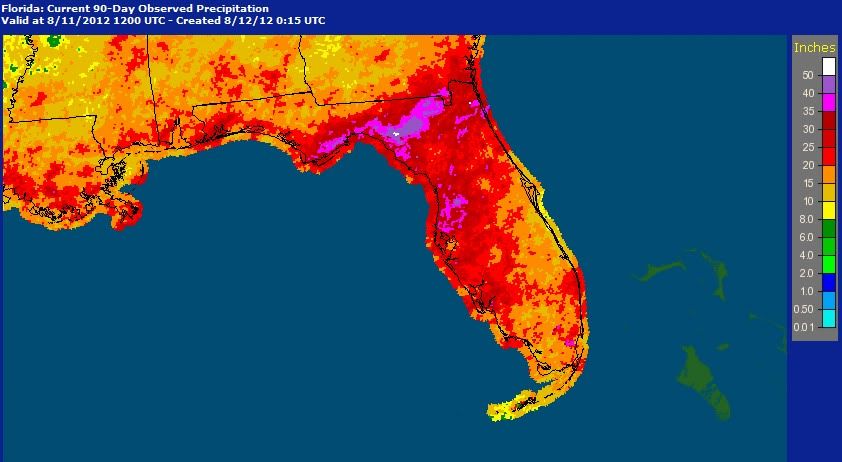
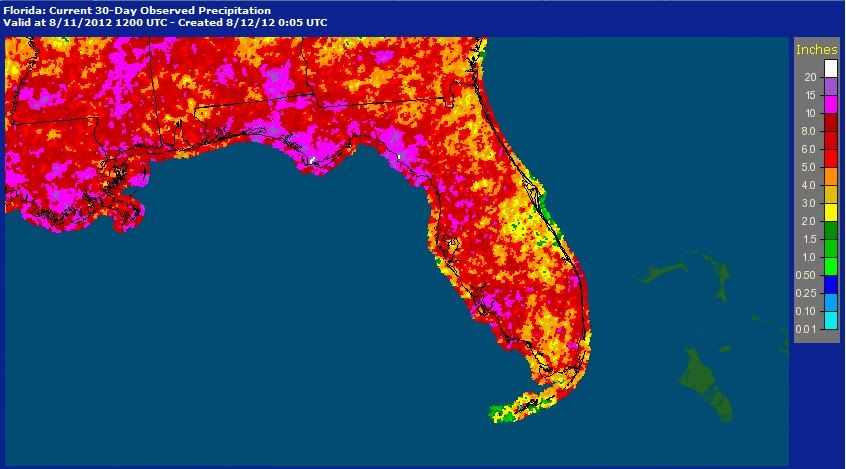
precipitation in Florida for the last 3 months

And of course, I’ve been, er, slacking off, heh. (What else is new?)

The thing is, my garden has gone to weed! Weeds everywhere—in the beds, along the aisles, and even in between the beer bottles that served as bed borders!

I couldn’t attack them before because of the dry thunderstorms and the rains that peppered our Central Florida weeks. I had visions of getting drenched in a sudden downpour or being struck by lightning so I avoided the garden as much as possible. Plus, the mosquitoes!

Today though, despite the threatening gray clouds, I couldn’t stand the sight of those darned weeds any longer so I decided to annihilate them once and for all. The rains have let up and there were no thunderstorm forecasts so...To the garden it is!
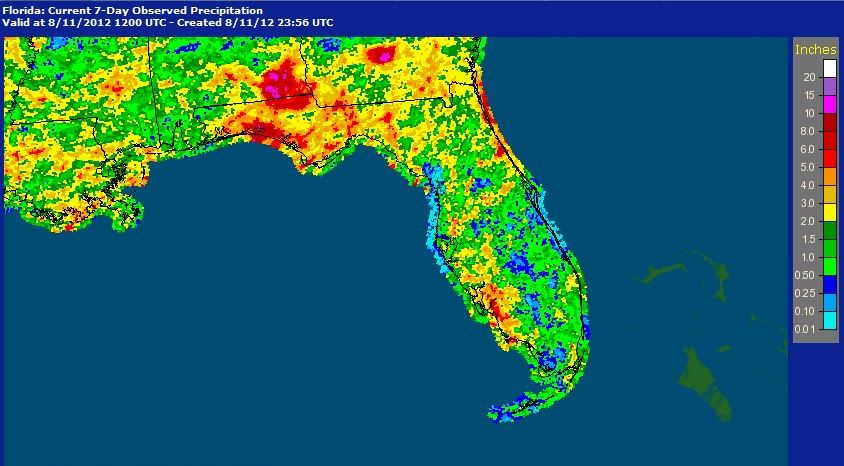
precipitation in the Sunshine State for the last 7 days

Well, it helps that it’s time to prepare for the fall planting, heh.

I forgot to take a Before picture, so I’ll only show you the After:
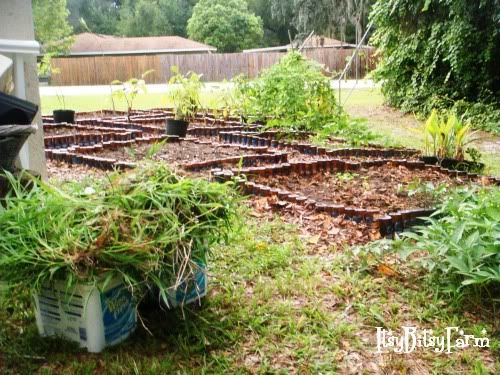
the itsy bitsy farm, circa august 2012
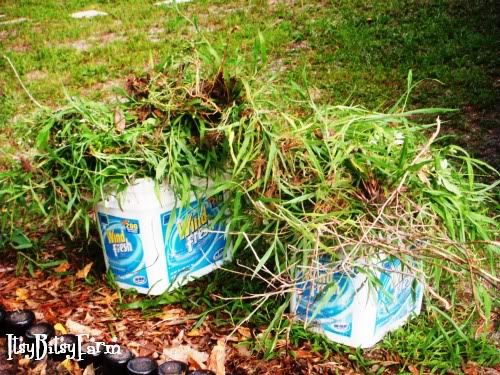
That clean look was achieved after two and a half hours of duking it out with them weeds. Those two buckets are actually packed tightly with these garden monsters.

buckets of torture
Finally, my beds are ready for September. I’ll be planting the usual suspects: okra, yardlong beans, green beans, bitter gourd, zucchini, eggplants and tomatoes. No more cherry tomatoes though. We've had too much of them last time.

Speaking of rains and thunderstorms...

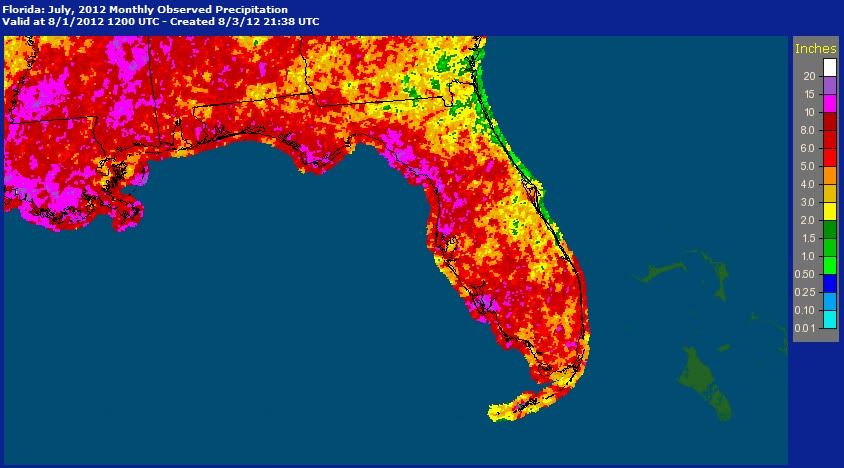
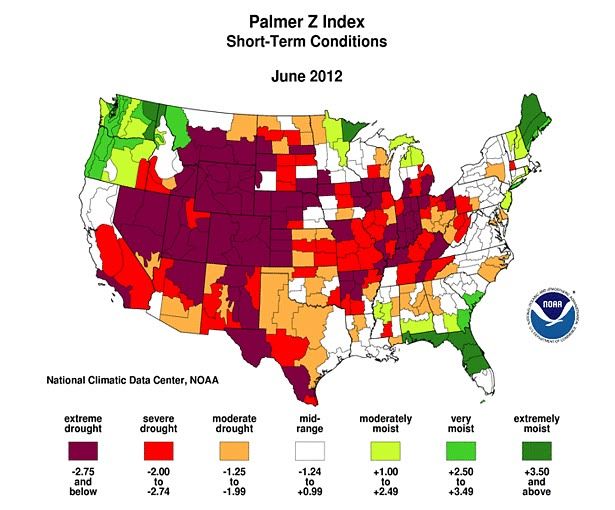
From May to August, Central Florida—and the whole state, for that matter—has had a generous drenching as you can see in the maps from the National Climatic Data Center.

Beginning last June, Central Florida had been extremely moist—in the real world that's like pounding rains every afternoon and sometimes well into the night (and early morning, for that matter).

Here's how it was, rain-wise in Florida for the last 90 days:

observed precipitation in Florida for the last 90 days
It's a relief that there was no drought in Central Florida the past three months, too. The heat outside was simply unbearable even in the late afternoon. I couldn't imagine myself watering and cleaning the garden in the sweltering, nosebleed-inducing summer heat. Thank God for these mercies!

Here's the monthly precipitation mapping since I've been to my vegetable garden in May:
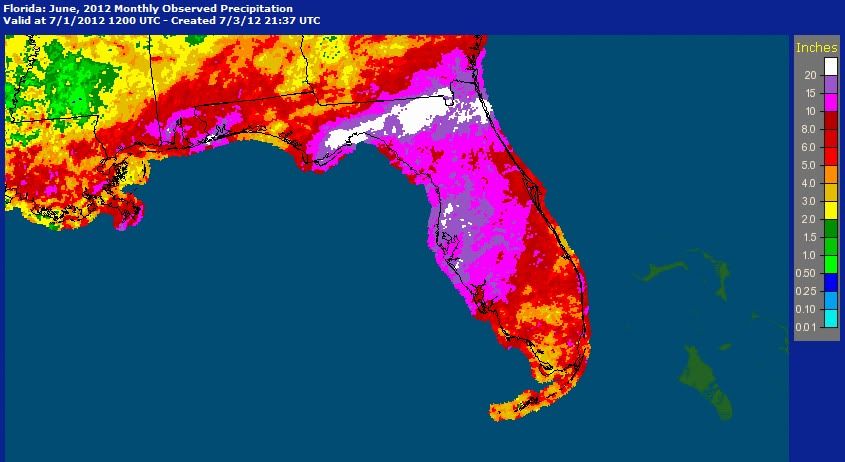
observed precipitation in Florida, June 2012
observed precipitation in Florida, July 2012
observed precipitation in Florida, August 2012

unseasonably warm weather


I’m a fairly new transplant to the Sunshine State. Been only here three years but for the past two years, I’ve experienced how COLD the weather could go.

This time 'round, we’ve had a warm winter though. I remember celebrating brother-in-law S’s birthday in February this year with just a light sweater covering me out on the patio at night. On the same day last year, we’d been wearing bubble jackets!

No wonder.

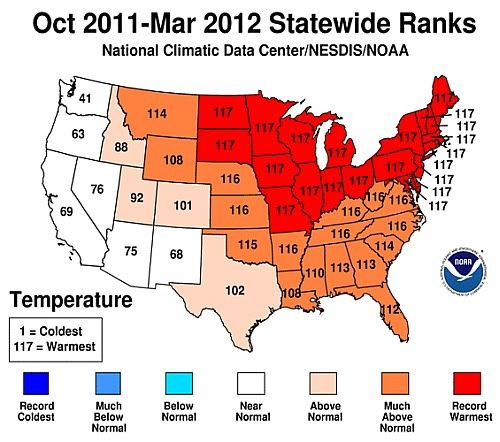
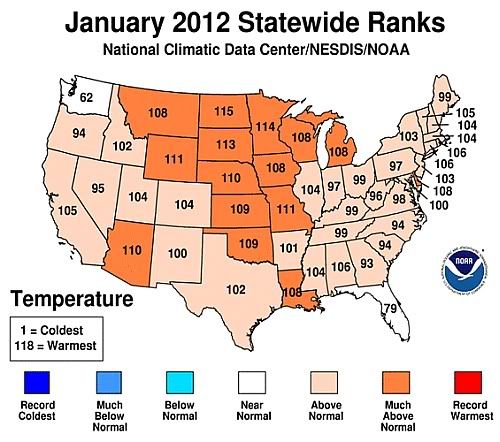
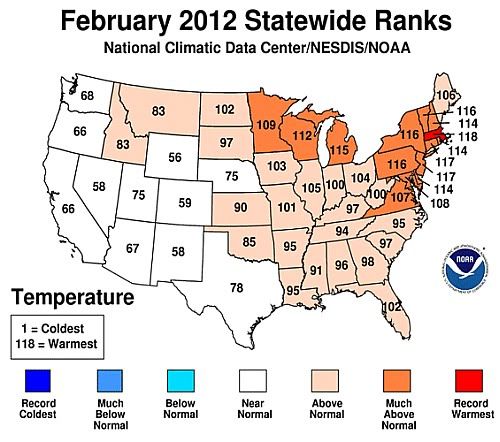
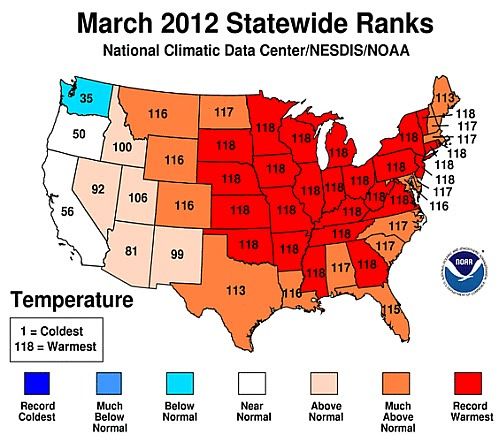
The National Climatic Data Center maps the temperature averages across the states and us geeky gardeners loves to, well, peruse it. (I never knew I’d find maps fascinating to begin with.) Their data shows that we’ve had unseasonably warm weather—from winter to before spring—this season.


You can see that from January to March, it has progressively gotten warmer in Florida.


From the NCDC State of the Climate overview for March, 2012:
Every state in the nation experienced a record warm daily temperature during March. According to preliminary data, there were 15,272 warm temperature records broken (7,755 daytime records, 7,517 nighttime records). Hundreds of locations across the country broke their all-time March records. There were 21 instances of the nighttime temperatures being as warm, or warmer, than the existing record daytime temperature for a given date. (Emphasis mine.)
This wasn't good, apparently:
The warmer-than-average conditions across the eastern US....created an environment favorable for severe thunderstorms and tornadoes. According to NOAA's Storm Prediction Center, there were 223 preliminary tornado reports during March, a month that averages 80 tornadoes. The majority of the tornadoes occurred during the March 2-3 outbreak across the Ohio Valley and Southeast, which caused 40 fatalities and damages exceeding 1.5 billion U.S. dollars. (Again, emphasis mine.)
The past year's temperatures were “above normal” in all but six states in the continental US, with record warmest in several states up north!

The 12-month period (April 2011-March 2012), which includes the second hottest summer (June-August) and fourth warmest winter (December-February), was the warmest such period for the contiguous United States. Twenty-eight states were record warm for the 12-month period, and an additional eleven states had April-March temperatures ranking among their ten warmest. Oregon and Washington were the only states cooler than average for the period. The 12-month running average temperature for the contiguous U.S. was 55.4 degrees F, which is 2.6 degrees F above the 20th century average. (I gotta emphasize what I think is interesting, don't I? Heh.)
El Niňo marching on or climate change?

I’m a tropical bird so I like that the weather was comfortable during the past winter. But...I’m afraid we’re paying for that this spring. I don’t even want to think how high the temperatures will go in the coming summer.

Source: State of the Climate National Overview, March 2012 (NCDC)